The World Cup compresses pressure, fatigue, and narrative into a few relentless weeks. In that crucible, a handful of footballers become leverage points: they flip game state with one action, sustain control when chaos erupts, or deliver the decisive moment from a set piece or counter. Below is a power list of 25 players—across roles and nations—whose skill profiles most reliably swing knockout football. Each entry highlights why they change matches, how opponents try to contain them, and the specific phase of play where their impact is most ruthless.
Kylian Mbappé (France)
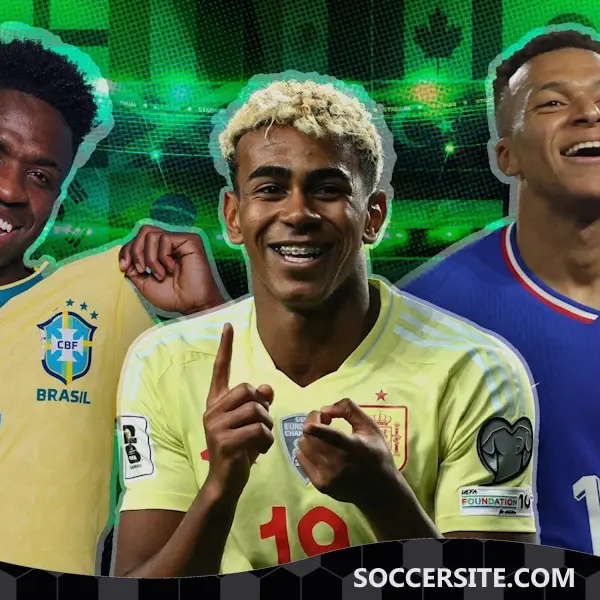
The tournament’s ultimate field-tilter: elite separation speed, two-footed finishing, and gravity that bends entire back lines. If France win territory and isolate him wide, he turns half-chances into goals. Best counter: deny forward body shape in the first touch and double early from the inside.
Jude Bellingham (England)
A complete modern 8/10 who decides matches by timing runs into the box and by protecting transitions with remarkable duel winning. His late arrivals and headed threat add a second striker without sacrificing midfield control.
Lionel Messi (Argentina)
Still the game’s most precise chaos controller between the lines. One disguised pass breaks two lines; one set piece changes a tie. Opponents must choose: step and risk the wall-pass, or sit and concede territory and fouls.
Kevin De Bruyne (Belgium)
World-class chance creation from both settled play and transition. His early crosses and cut-backs arrive before defenses reset, producing tap-ins and second waves. Limit him by blocking the inside half-space, not just the touchline.
Vinícius Júnior (Brazil)
Relentless 1v1 winger who forces double teams, opening the lane for underlaps and cut-backs. Adds back-post runs when the ball is on the far side. Fouls drawn become set-piece xG; that is how knockout ties shift.
Harry Kane (England)
Finisher and fulcrum. Drops to 10 to pull a centre-back, then releases wingers behind. Deadly from penalties and set-piece flick-ons. Starves if service is slow—so opponents must delay England’s first vertical pass.
Rodri (Spain)
The metronome and shield. He turns chaos into five-pass control, kills counters with angles rather than fouls, and dictates rest defense height. When he dominates, Spain play the match on their terms.
Antoine Griezmann (France)
Tactical glue: links midfield to the front line, arrives for second balls, delivers elite set-piece service. He decides games without needing volume shots—through positioning, pressing triggers, and final passes.
Lautaro Martínez (Argentina)
Front-post attacker with snap finishes and tireless pressing. Thrives on rebounds and cut-backs, the currency of knockout football. His off-shoulder runs force center-backs to turn; small detail, huge impact.
Bruno Fernandes (Portugal)
High-risk creator whose through-balls and whip deliveries add volatility that can break stalemates. If Portugal control second balls around him, his chance volume decides matches.
Rafael Leão (Portugal)
Devastating in transition and on early diagonals. Few players better at carrying 40 meters under pressure. For opponents, stopping him is about slowing the first touch—not the sprint after.
Frenkie de Jong (Netherlands)
Press-resistance specialist. Beats the first presser, turns midfield two into a chasing line, and releases wing-backs. In ties decided by territory, his carries are worth goals in expected value.
Jamal Musiala (Germany)
Silky dribbler who manipulates feet in tight pockets and creates high-quality chances off the cut. His deception inside the box—especially the drag and shoot—wins the kind of marginal goals tournaments hinge on.
Virgil van Dijk (Netherlands)
Erases aerial routes and buys his midfield higher starting positions. On set pieces, he is both deterrent and weapon. When he controls the penalty area, the Dutch game model scales.
Achraf Hakimi (Morocco)
Transition accelerator: intercepts, runs the channel, and delivers with pace. Set-pieces add threat. His stamina over 120 minutes sustains Morocco’s dual identity—compact block and lightning counters.
Khvicha Kvaratskhelia (Georgia)
Unpredictable winger whose first step and disguised shot create chances from nothing. In knockout football, one such action can tilt an underdog’s path to history.
Rodrygo (Brazil)
Elite movement between lines and cold finishing in crowded boxes. Arrives where coverage is thin—back post or penalty spot late. Impact magnifies as legs tire and spaces open.
Luka Modrić (Croatia)
Tempo and time. He turns a frantic game into a winnable one by choosing when to accelerate or freeze possession. In extra time, his technical security is a competitive advantage by itself.
Josko Gvardiol (Croatia)
Progressive defender whose left-footed distribution breaks pressure and whose recovery speed protects wide spaces. Adds set-piece threat as a late runner at the far stick.
Pedri (Spain)
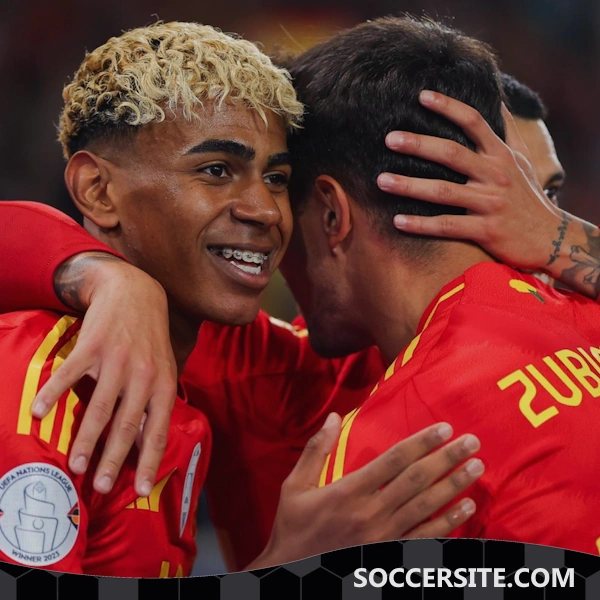
Creates advantages without spectacle: third-man runs, body orientation to split lines, and soft touches that invite overlaps. When he receives on the half-turn near the D, Spain become inevitable.
Kim Min-jae (South Korea)
Dominant in duels and deceptively quick over distance. His step-ins trigger counters; his covering angles snuff them for opponents. Keeps underdogs alive long enough to land the punch.
Victor Osimhen (Nigeria)
Elite space attacker and aerial menace. Draws center-backs deep, then wins the first contact in the six-yard box. In one-chance games, that profile is priceless.
Mohamed Salah (Egypt)
If present, he is a one-man expected-goal machine: gravity, penalties, repeatable shots from the right channel. Game-plans warp around his left foot, creating secondary chances for teammates.
Alisson Becker (Brazil)
Shot-stopping at world-class levels with superb one-v-one timing. His high starting position compresses counters and turns dangerous through-balls into routine collections. A goalkeeper who directly adds win probability.
Emiliano “Dibu” Martínez (Argentina)
Penalty specialist and master of end-game psychology. In tournaments where shootouts loom, his presence alone shifts expected outcomes. Add reflex saves and command of the six-yard box, and tight ties bend.
Honourable X-Factors
Phil Foden (England) for pocket-to-box combinations; Bernardo Silva (Portugal) for control under press; Antoine Griezmann is already listed but doubles as set-piece architect; Julian Álvarez (Argentina) for pressing plus finishing; Yassine Bounou (Morocco) as a shootout edge.
How These Players Actually Decide Ties
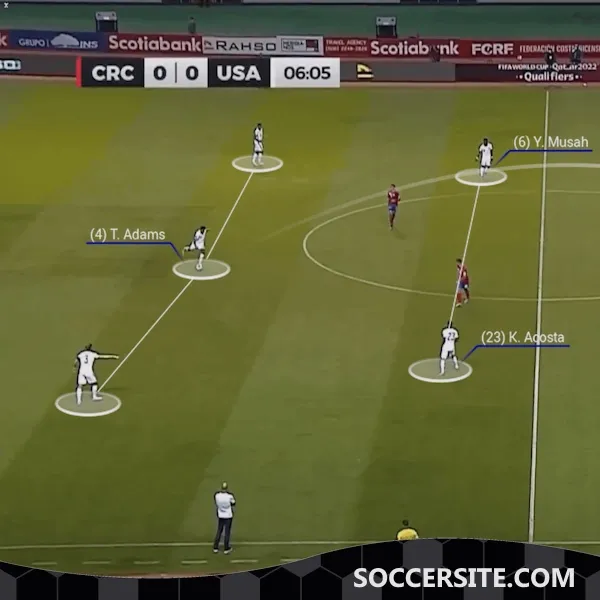
World Cup matches turn on five repeatable levers: 1) first goal value—finishers like Mbappé, Kane, Osimhen; 2) set-piece edges—deliverers like Griezmann and De Bruyne and targets like van Dijk; 3) transition kill switches—Rodri, Kim Min-jae, Gvardiol; 4) press resistance to exit pressure—De Jong, Pedri, Musiala; 5) late-game serenity—Modrić, Messi, and elite keepers like Alisson and Dibu Martínez. Build-ups and xG charts matter, but the player types above decide whether pressure becomes points—or just pretty possession.
Countermeasures: The Handbook Against Elite Match-Winners
Opponents can narrow margins by: doubling early on isolations (Vinícius, Kvaratskhelia), cutting inside lanes to the half-space (De Bruyne, Bruno), using hybrid man-zonal corner schemes to tag primary runners (van Dijk, Lautaro), and rotating tactical fouls outside Zone 14 to protect the D (Messi, Musiala). None of it eliminates risk, but it moves probability back toward parity—often enough to reach extra time or a shootout, where keepers tilt destiny.
Final Word
Tournaments reward repeatable strengths under fatigue. The 25 names above compress risk for their teams and expand it for everyone else. Some will write history with a single strike or save; others will decide matches invisibly, by controlling tempo, exits, or rest defense. Either way, the World Cup will orbit their profiles—because when games shrink to moments, the right player makes those moments theirs.